The CIDEA (Cell Death-Inducing DNA Fragmentation Factor-α-like Effector A) protein plays a crucial role in lipid metabolism and apoptosis regulation. As a key regulator of energy homeostasis and thermogenesis, CIDEA is increasingly recognized for its importance in metabolic disorders, including obesity and type 2 diabetes. CIDEA antibodies are indispensable tools for research into these areas, providing critical insights into the molecular pathways underpinning energy balance and cell death mechanisms.
Overview of CIDEA Protein
CIDEA is predominantly expressed in brown adipose tissue (BAT) and acts as a regulator of thermogenic energy dissipation and lipid storage. Its role in controlling mitochondrial activity and lipid droplet formation makes it a central focus in studies of metabolic diseases and energy expenditure (NCBI, NIH).
Applications of CIDEA Antibody
- Metabolic Research: CIDEA is essential for studying lipid metabolism and its contribution to obesity and metabolic syndrome (PubMed, NIDDK).
- Thermogenesis Studies: The protein’s involvement in brown fat activation makes it a prime target for research into combating obesity and metabolic disorders (NIH, HHS).
- Apoptosis Regulation: CIDEA’s role in programmed cell death highlights its significance in understanding cancer and neurodegenerative diseases (Cancer.gov, NIA).
- Molecular Pathway Elucidation: Using CIDEA antibodies, researchers can investigate pathways involving mitochondrial activity, lipid storage, and energy expenditure (NCBI, NIDDK).

Key Features of CIDEA Antibodies
- High Specificity: Designed to specifically bind to the CIDEA protein, ensuring minimal cross-reactivity.
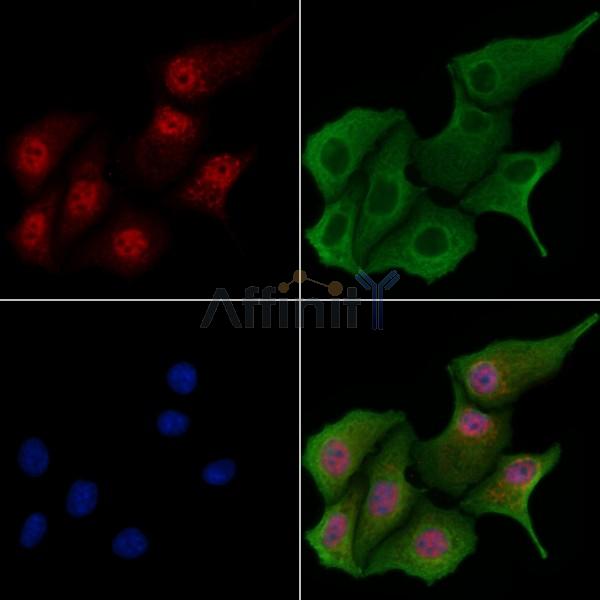
- Versatile Application: Suitable for Western blotting, immunofluorescence, and ELISA (NIH).
- Validated for Multiple Species: Reliable for human, mouse, and rat studies, broadening its research applications (NCBI).
Protocols and Techniques
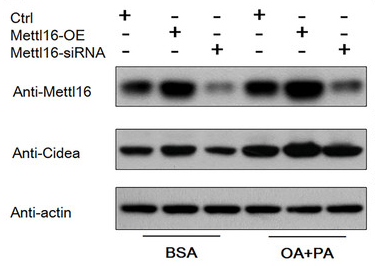
- Western Blotting: Detect CIDEA protein levels in adipose tissue lysates to assess metabolic function (NIGMS).
- Immunohistochemistry: Visualize CIDEA expression in brown adipose tissue sections (Harvard, Stanford).
- Flow Cytometry: Use CIDEA antibodies to identify cells expressing this protein under varying metabolic conditions (PubMed).
Research Insights
Emerging evidence indicates that altered expression of CIDEA is associated with insulin resistance and metabolic dysfunction (NIDDK). Studies have also linked CIDEA expression with mitochondrial activity, highlighting its potential as a therapeutic target for obesity and type 2 diabetes (NCBI, NIH).
Resources for Researchers
- Antibody Validation Data: Access comprehensive validation protocols at Antibody Registry.
- Gene and Protein Databases: Explore detailed genetic and protein interaction information through GeneCards and STRING.
- Research Protocols: Protocol guides for CIDEA-related studies can be found at NIH and PubMed.
Conclusion
The CIDEA antibody is an indispensable tool for advancing our understanding of metabolic regulation, thermogenesis, and cell death. By providing insights into the molecular pathways of these processes, it opens avenues for therapeutic interventions targeting obesity, diabetes, and related metabolic disorders.
For more information, explore these resources:
Leveraging the CIDEA antibody in your research will enable you to uncover critical mechanisms underlying energy homeostasis and disease pathogenesis.